
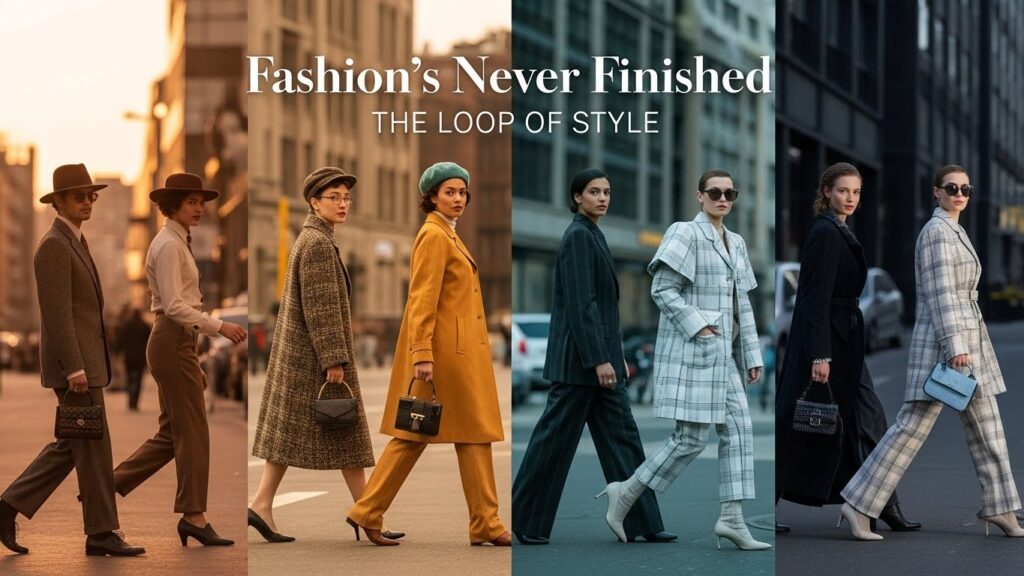
Fashion’s never finished gif social experiment is a captivating whirlwind, ever-evolving and endlessly cyclical. Trends come and go with lightning speed. One moment, high-waisted jeans reign supreme; the next, they’re replaced by wide-leg trousers. This dynamic landscape can leave consumers dizzy and frustrated as they chase after the latest looks.
Yet amid this chaotic dance of styles emerges a fascinating concept: fashion’s never finished gif social experiment. It invites us to reconsider our relationship with clothing and how we participate in this relentless cycle. As we delve into this intriguing initiative, we’ll explore not just its implications for personal style but also the broader impact on our planet and society at large. The journey ahead uncovers challenges while illuminating paths toward more conscious choices in fashion—choices that prioritize sustainability over instant gratification.
What is Fashion’s never finished gif social experiment?
Fashion’s never finished gif social experiment is a captivating exploration of the evolving nature of style. It highlights how trends come and go, yet somehow manage to return in cycles.
This project invites participants to create and share animated GIFs that showcase their personal interpretations of fashion. Each submission reflects individual creativity while simultaneously exposing the collective consciousness surrounding clothing choices.
As users engage with this initiative on platforms like Instagram or TikTok, they contribute to an ongoing dialogue about what constitutes “fashion.” The fluidity of these GIFs underscores how our understanding of style is constantly shifting—never truly complete but always in motion.
Through playful visuals, this experiment challenges conventional notions. It pushes us to reflect on our consumption habits and connection to trends. It serves as a reminder that fashion is more than just garments; it’s an ever-evolving expression of identity.
How social media and fast fashion perpetuate this cycle
Fashion’s never finished gif social experiment platforms have transformed the way we consume fashion. Scroll through any feed, and you’re bombarded with influencers showcasing the latest trends. Each post sends a message: buy now or miss out.
Fast fashion brands exploit this urgency. They produce garments at lightning speed to meet ever-changing demands. The result? A culture fixated on fleeting styles rather than lasting pieces.
Consumers feel pressured to keep up. Outfits become disposable as new trends emerge almost daily. This cycle fuels overconsumption, where once cherished clothing is tossed aside for something ‘new.’
As likes and shares drive purchasing decisions, sustainable choices often take a backseat. The allure of instant gratification overshadows thoughtful consumption, locking us into an endless loop of desire and waste in our wardrobes.
The impact on the environment and consumer behavior
The Fashion’s never finished gif social experiment industry is one of the most polluting sectors globally. It churns out millions of garments annually, leaving a significant carbon footprint in its wake. Fast fashion thrives on rapid production cycles, leading to immense waste.
Consumers often find themselves caught in this whirlwind. The desire for new styles pushes them to buy more than they need, fostering a throwaway culture. Many shoppers don’t consider where their clothes come from or how they impact the planet.
Synthetic materials dominate fast fashion collections, contributing to microplastic pollution in oceans and waterways. When washed, these fabrics shed tiny particles that harm marine life and ecosystems.
This behavior creates a vicious cycle—more purchases lead to more waste while sustainability remains an afterthought for many buyers. Shifting consumer mindset is crucial if we want to break free from this destructive pattern and embrace conscious choices instead.
Alternative approaches to sustainable fashion
Sustainable Fashion’s never finished gif social experiment is evolving, offering fresh alternatives to traditional consumption. One approach gaining traction is upcycling. This process takes discarded clothing and transforms it into something new and unique. It encourages creativity while reducing waste.
Another option is renting or borrowing garments instead of buying them outright. Companies are emerging that allow consumers to access high-quality pieces for special occasions without the commitment of ownership.
Second-hand shopping has also surged in popularity. Vintage stores and online resale platforms provide a treasure trove of options while promoting circularity within the fashion industry.
Supporting local artisans can make a significant impact. By purchasing handmade items from small creators, shoppers contribute directly to sustainable practices and fair labor conditions—resulting in more thoughtful consumption habits across the board. Each alternative nurtures a culture where style meets responsibility in exciting ways.
The rise of capsule wardrobes and slow fashion movement
Capsule wardrobes are gaining traction as a mindful alternative to fast Fashion’s never finished gif social experiment. The concept revolves around curating a limited selection of versatile pieces that can be mixed and matched effortlessly. This not only simplifies daily choices but also emphasizes quality over quantity.
The slow fashion movement aligns perfectly with this ethos. It champions sustainability by encouraging consumers to invest in ethically made garments that stand the test of time. Instead of chasing fleeting trends, individuals are rediscovering the joy of timeless style.
As people become more conscious about their environmental impact, capsule wardrobes offer an attractive solution. They reduce waste and promote thoughtful consumption, transforming how we perceive clothing in our lives.
This shift represents a broader cultural change toward valuing craftsmanship and longevity. With every intentional choice made, wearers contribute to a more sustainable future for fashion itself.
Breaking the loop and creating a more conscious approach to style
Breaking the loop requires a shift in mindset. Embracing mindful consumption is key. This means questioning every purchase and assessing its true value.
Think about quality over quantity. Invest in pieces that resonate with your personal style and stand the test of time. Each item should have a purpose, adding depth to your wardrobe.
Explore thrift shops or local artisans for unique finds. These options often bring stories along with them, creating a connection that fast fashion can’t replicate.
Engaging with sustainable brands also plays a role. Many companies are now prioritizing ethical practices and eco-friendly materials, allowing you to shop responsibly.
Share your journey on social media. Inspire others by showcasing how conscious choices reflect individuality rather than conformity to fleeting trends. Embrace creativity within constraints; it’s where true style flourishes!
Conclusion
Fashion is an ever-evolving landscape, marked by trends that come and go in the blink of an eye. The fashion industry’s cycle can feel relentless, with styles perpetually circulating, often at the expense of sustainability and consumer well-being. Fashion’s never finished gif social experiment highlights this continuous loop, encouraging us to examine our consumption habits.
Social media fuels this cycle even further. With influencers showcasing new outfits daily and fast fashion brands pumping out cheap clothes at lightning speed, it’s easy to get swept away in the frenzy. This constant churn not only affects our wallets but also has serious implications for the environment.
As we become more aware of these impacts, alternative approaches are gaining traction. Sustainable fashion advocates emphasize practices that reduce waste and promote ethical production methods.
The rise of capsule wardrobes exemplifies a shift toward slow fashion. By choosing versatile pieces over fleeting trends, consumers can cultivate personal style while minimizing their environmental footprint.
Breaking free from the endless loop requires conscious choices about what we wear and how we shop. Embracing sustainable practices not only benefits our planet but also empowers us as individuals to express ourselves authentically through style without contributing to harmful cycles.
This journey towards a more thoughtful approach to fashion invites everyone to rethink their relationship with clothing—celebrating creativity while prioritizing responsibility in an industry that’s often overlooked its impact on both people and planet.