
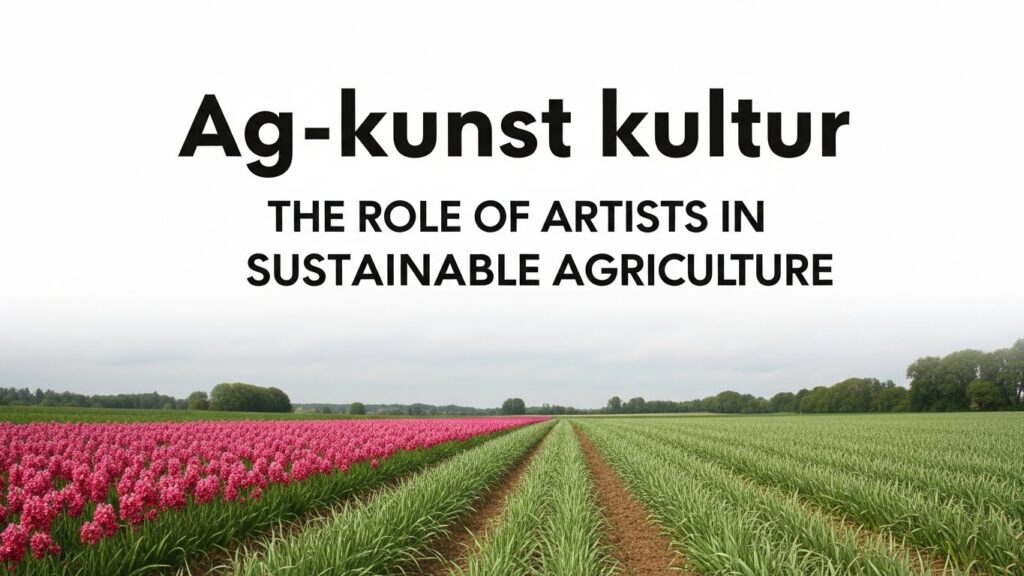
Imagine walking through a lush field, where vibrant colors and creative structures blend seamlessly with the natural landscape. This is not just a farmer’s paradise; it’s an artistic movement known as ag-kunst-kultur. In this unique fusion of art and agriculture, artists are stepping onto the land to explore sustainable practices while simultaneously transforming how we perceive farming and nature. The relationship between creativity and cultivation offers fresh perspectives on environmental issues, prompting us to rethink our connection to food production and ecological health. Let’s dive into the intriguing world of ag-kunst-kultur and discover how artists are leading the charge toward a more sustainable future for agriculture.
What is Ag-kunst-kultur?
Ag-kunst-kultur is a term that fuses agriculture and art, creating a unique intersection where creativity meets sustainability. It emphasizes the importance of artistic expression in agricultural practices.
At its core, ag-kunst-kultur celebrates the relationship between humans and nature. Artists engage with farmers to explore innovative ways to highlight environmental issues and promote sustainable methods.
This movement encourages collaboration across various disciplines—drawing from visual arts, performance, and even community projects. By doing so, it creates an awareness of ecological challenges while inspiring solutions.
Through installations or workshops on farms, artists invite communities to rethink their connection with food production. The vibrant dialogue fosters appreciation for both artistry and agriculture, illustrating how intertwined they truly are in shaping our future.
The Connection between Art and Agriculture
The connection between art and agriculture runs deep. Both fields share a commitment to creativity, innovation, and expression.
Artists often draw inspiration from the natural world. They celebrate the beauty of crops, landscapes, and farming practices in their work. This artistic representation highlights the importance of agriculture in our lives.
Moreover, agricultural themes have historically influenced various art movements. From pastoral paintings to modern installations, artists reflect on humanity’s relationship with nature.
Art can also serve as a powerful medium for storytelling about farming communities. It captures their struggles and triumphs while raising awareness about sustainable practices.
Through collaboration with farmers, artists help weave together narratives that inspire change. Each brushstroke or sculpture invites viewers to appreciate the complexities of agricultural life in new ways.
How Artists are Promoting Sustainable Agriculture
Artists are stepping beyond traditional canvases, using their creativity to advocate for sustainable agriculture. Through installations, murals, and performances, they raise awareness about the importance of eco-friendly farming practices.
These artists engage communities by transforming public spaces into vibrant reminders of nature’s value. Their works often highlight local food systems and promote biodiversity. By illustrating the beauty of organic produce or depicting the struggles farmers face, they create a dialogue between art and agriculture.
Collaborations with farmers also play a key role in these initiatives. Artists partner with agricultural experts to design projects that not only beautify but also educate on sustainable methods like permaculture and crop rotation.
Workshops led by artists further empower individuals to embrace environmentally-conscious choices in their daily lives. This fusion of creativity and sustainability inspires action, making it clear that art can be a powerful vehicle for change in our food systems.
Examples of Ag-kunst-kultur Projects
Across the globe, numerous Ag-kunst-kultur projects illustrate the synergy between art and agriculture. One standout example is the “Seed Library” initiative in community gardens. Here, local artists collaborate with farmers to create visually striking seed packets that convey stories about biodiversity and heritage.
Another fascinating project involves large-scale installations on farms. Artists use natural materials to craft sculptures that not only enhance the landscape but also educate visitors about sustainable practices. These works often spark conversations around ecological balance.
In urban settings, murals depicting agricultural themes can be found adorning city walls. They serve as a reminder of our food sources while celebrating rural life amidst concrete jungles.
Participatory art projects invite communities to engage directly with farming activities through workshops and interactive exhibits. This hands-on approach fosters a deeper understanding of sustainability’s importance in daily life.
Challenges and Criticisms of Ag-kunst-kultur
Ag-kunst-kultur, while inspiring, faces its share of challenges. One significant hurdle is the perception that art and agriculture should remain distinct disciplines. Critics argue that merging these fields dilutes the seriousness of agricultural practices.
Funding can also pose an issue. Many artistic projects rely on grants or sponsorships that are not always readily available. This financial instability can limit the reach and impact of innovative initiatives aimed at promoting sustainability.
Furthermore, there’s a risk of tokenism in some Ag-kunst-kultur projects. If artists merely create superficial works without a deep understanding of agricultural issues, it may come off as disingenuous to local communities and farmers.
The environmental message must be clear and actionable; ambiguous creative expressions might not resonate with audiences seeking tangible solutions for sustainable farming practices. Balancing artistry with meaningful engagement remains crucial for true advocacy within this movement.
The Future of Ag-kunst-kultur
The future of ag-kunst-kultur holds exciting possibilities as artists embrace environmental themes. This movement can inspire a new generation to engage with agriculture in creative ways.
With technology advancing, virtual reality and interactive installations may become integral parts of agricultural education. Imagine walking through an immersive art experience that illustrates sustainable farming practices.
Collaborative projects between farmers and artists are likely to flourish. These partnerships can produce innovative solutions for food systems while highlighting the beauty of nature.
As communities recognize the value of this intersection, funding opportunities will expand. Grants focusing on art-driven sustainability initiatives could help bring visionary ideas to life.
Social media will play a crucial role too. Artists can share their work widely, sparking conversations around sustainable practices and inspiring action across diverse audiences.
The Power of Art in Shaping Sustainable Agriculture
Art possesses a unique ability to transcend traditional boundaries. It can communicate complex ideas in ways that resonate deeply with diverse audiences.
In sustainable agriculture, artists play a pivotal role. They create visual narratives that highlight the importance of eco-friendly practices. These stories inspire communities to rethink their relationship with food and land.
Public installations promote awareness about environmental issues while engaging viewers emotionally. This connection encourages action beyond passive observation.
Moreover, art fosters collaboration among farmers, scientists, and the public. Such partnerships lead to innovative approaches that support sustainability goals.
Through creativity, artists challenge conventional agricultural norms. Their work often sparks conversations about ethical farming and biodiversity conservation, paving the way for new solutions.
Conclusion
Art and agriculture may seem like an unlikely pair, but ag-kunst-kultur bridges the gap beautifully. By intertwining creativity with sustainable practices, artists are not only raising awareness about important agricultural issues but also inspiring communities to take action.
The role of art in promoting sustainability goes beyond aesthetics; it engages emotions and sparks dialogue. Through innovative projects that highlight local farming practices or environmental challenges, artists bring fresh perspectives to age-old problems. They serve as catalysts for change, making complex agricultural concepts accessible and relatable.
As we look ahead, the potential for ag-kunst-kultur is immense. It encourages collaboration among diverse groups—from farmers to urban planners—and fosters a deeper appreciation for our food systems. This movement can reshape how we view agriculture in society while nurturing a culture of sustainability at its core.
Embracing this synergy between art and agriculture opens doors to new possibilities. With every brushstroke or installation, artists can inspire us all to think differently about the land we cultivate and the resources we consume. The journey towards sustainable agriculture will benefit greatly from this creative alliance.