
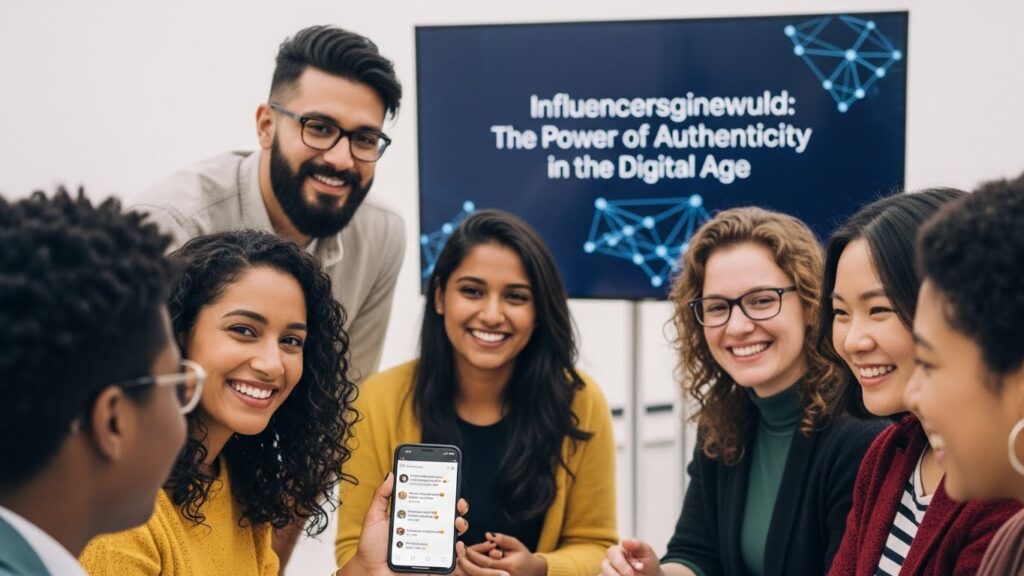
In a world dominated by social media, Influencersginewuld have carved out a unique niche that’s reshaping how we think about marketing and connection. Gone are the days of traditional advertising; today, the power lies in authenticity. As influencers rise to prominence, they bring with them their own cultures and communities, creating spaces where genuine interactions thrive.
But what if there was more than just influence at play? Enter “influencersginewuld,” a term that embodies this blend of influencer culture and the urgent need for authenticity in our digital lives. It represents not just who we follow but how these figures impact our perceptions and choices. In an age where likes can launch careers but also lead to superficial connections, understanding this phenomenon is vital for both audiences and brands alike.
Join us as we explore what makes influencers tick—and why staying true to oneself might just be the most powerful strategy in influencer marketing today.
What is Influencersginewuld?
Influencersginewuld is a term that captures the essence of modern influencer culture. It represents a shift towards genuine connections and authenticity in digital spaces.
In today’s crowded marketplace, audiences crave realness. Influencers are no longer just brand ambassadors; they are trusted voices who share their true selves with followers. This evolution has given rise to influencersginewuld—a movement emphasizing transparency and relatability.
Brands recognize this importance too. They seek partnerships with individuals who reflect their values while engaging authentically with their audience. The emphasis on honesty fosters deeper relationships between brands, influencers, and consumers.
As social media platforms continue to evolve, so does the concept of influencersginewuld. Embracing authenticity is not merely a trend; it’s essential for long-term success in an ever-changing online landscape.
The Impact of Authenticity on Influencer Marketing
Authenticity has become a cornerstone of successful influencer marketing. Audiences are smarter than ever, seeking genuine connections rather than polished facades. When influencers share their true selves, they foster trust and loyalty among followers.
Brands that align with authentic voices often see enhanced engagement rates. Followers feel more connected to influencers who showcase their real lives, struggles, and triumphs. This relatability can translate into higher conversion rates for brands as consumers are inclined to support those they believe in.
Moreover, authenticity encourages creativity. Influencers can create content that resonates deeply with their audience without the constraints of rigid brand guidelines. This organic approach leads to unique storytelling that captivates viewers.
As the landscape evolves, maintaining an authentic presence is essential for both influencers and brands alike. It’s not just about selling products; it’s about building relationships founded on honesty and transparency.
The Dangers of Inauthenticity in Influencer Culture
In the fast-paced world of influencer culture, inauthenticity can be a double-edged sword. When influencers prioritize curated perfection over genuineness, trust begins to erode.
Audiences are more discerning than ever. They can spot a disingenuous promotion from miles away. This disconnect leads to skepticism and disengagement. Followers want real connections—not polished facades.
The backlash against inauthentic influencers is palpable. Brands risk their reputation when they partner with individuals who lack authenticity. Negative sentiment spreads quickly on social media, damaging both parties involved.
Moreover, influencers who choose to fake their persona often find it exhausting to maintain the facade. The pressure mounts as they constantly strive for an unattainable ideal that isn’t sustainable long-term.
Embracing authenticity fosters lasting relationships with audiences and brands alike—something that cannot be replicated through insincerity or shallow content.
Case Studies: Successful Influencers who Embrace Authenticity
Emma Chamberlain stands out in the influencer landscape. She became popular through her unfiltered vlogs and relatable personality. Fans appreciate her honesty about mental health and lifestyle struggles, making her a role model for many.
Another example is Chris Burkard, an adventure photographer who captures stunning landscapes while sharing his passion for exploration. His authentic storytelling resonates with audiences looking to connect with nature on a deeper level.
There’s also Patrick Starrr, a beauty influencer known for his inclusive approach to makeup. He openly discusses body positivity and self-love, creating content that encourages confidence across diverse communities.
These influencers show how authenticity fosters trust. They engage their followers by being real rather than curated perfectionists. Their stories inspire others to embrace their true selves while navigating the often-filtered world of social media.
Tips for Brands Collaborating with Influencers to Maintain Authenticity
When collaborating with influencers, transparency is key. Brands should be open about campaign goals and expectations to foster trust.
Choose influencers who genuinely resonate with your brand values. Look beyond follower counts; seek authentic voices that align with your mission.
Encourage creative freedom in content creation. Allow influencers to showcase products in their unique style. This keeps the message fresh and relatable for their audience.
Regular communication helps ensure alignment throughout the partnership. Check-in often but avoid micromanaging—let influencers shine as experts in their field.
Offer fair compensation that reflects the influencer’s worth and contribution. Fair pay builds respect, promoting a healthy long-term relationship.
Prioritize storytelling over hard selling. Focus on creating genuine connections through shared experiences rather than straightforward promotions for better engagement.
How Social Media is Changing the Definition of Authenticity
Social media has transformed the concept of authenticity. Once defined by genuine interactions, it now navigates a complex landscape of curated content and personal branding.
Users often showcase polished versions of their lives. This shift can blur the lines between what is real and what is staged. Authenticity today demands more than just honesty; it involves vulnerability, relatability, and connection.
Platforms encourage influencers to share behind-the-scenes moments. These glimpses offer followers a sense of belonging. However, this visibility also raises expectations for constant engagement.
The pressure to stay authentic while carefully managing one’s persona creates tension. Influencers must balance being relatable with maintaining an aspirational image.
As social media evolves, so does our understanding of authenticity itself—making it both more crucial and more elusive in the digital age.
The Future of Influencer Culture and the Importance of Staying True to Yourself
The influencer landscape is rapidly evolving. As social media platforms shift and new trends emerge, the role of influencers will continue to transform. Authenticity remains key in this digital space. Audiences crave genuine connections more than ever.
Staying true to oneself is essential for long-term success. Influencers who showcase their real lives foster trust among followers. This trust translates into loyalty, which is invaluable in today’s competitive environment.
As brands increasingly seek collaborations, those who prioritize authenticity will stand out. Consumers can easily spot disingenuous content, leading to disengagement and distrust.
The future may see a further blurring of personal and professional boundaries for influencers as they navigate this delicate balance. Those who embrace their individuality will thrive amidst change while inspiring others to do the same.
Conclusion
The landscape of Influencersginewuld culture continues to evolve. As brands and creators navigate this ever-changing terrain, authenticity remains a critical pillar for success. Influencersginewuld encapsulates the essence of being genuine amidst the noise.
Brands that prioritize authentic relationships with influencers are more likely to resonate with audiences. This connection fosters trust and loyalty, key components in today’s marketplace. The rise of social media has transformed how we view authenticity, making it imperative for influencers to be true to themselves while engaging their followers meaningfully.
As we look ahead, staying real will shape the future of influencer culture. It is not just about popularity; it’s about creating lasting connections based on honesty and integrity. Embracing this mindset will pave the way for a new wave of creativity and collaboration in digital spaces.
Navigating these changes requires adaptability, but those who commit to an authentic approach can anticipate long-term success in their endeavors within this dynamic environment.